
Autism Safety: How to Teach Life-Saving Skills to Children with Autism with Dr. Amy Foxman
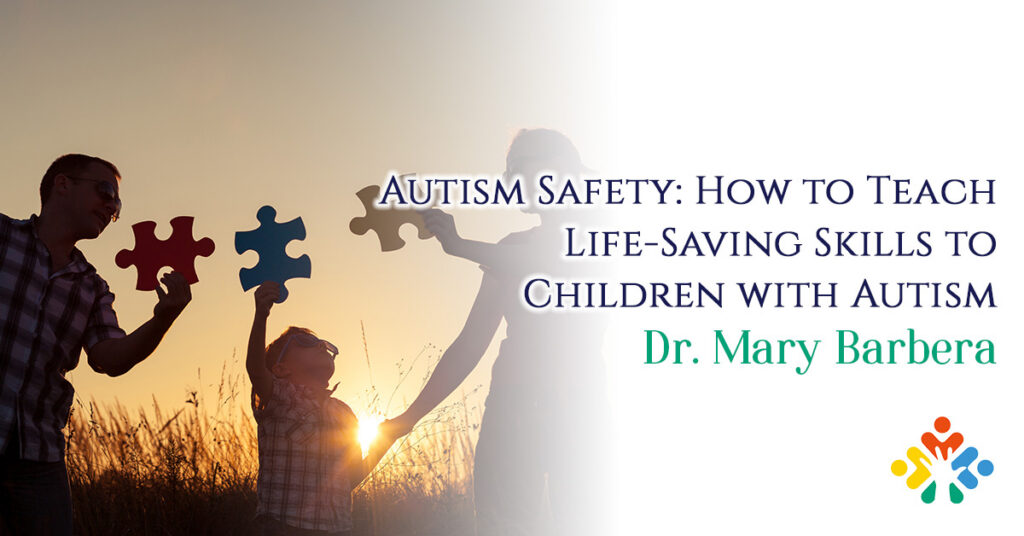
🚨 Safety skills are essential for children with autism, especially for risks like eloping, drowning, and fire emergencies. 🧠 Many autistic children do not naturally recognize danger, so safety awareness must be taught directly. Autism and PICA, or eating non-food items, is a life-threatening condition that is often missed when teaching autism safety. 🛠 Behavior […]
Concerned About a 4 Year Old Speech Delay? Start Here
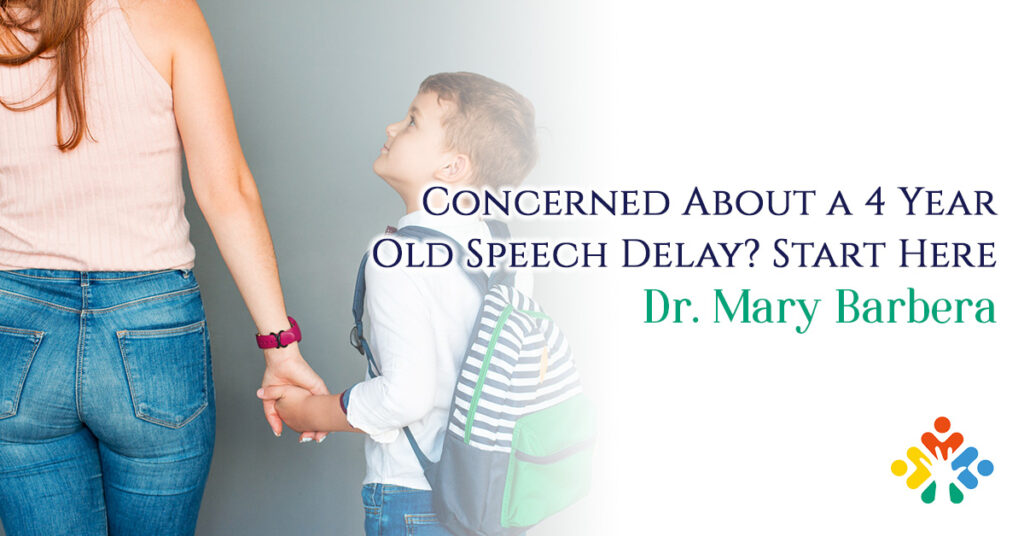
When a 4 year old is not talking, using only short phrases, or not answering questions, it’s time to take action — not wait and hope it improves. Autism signs in a 4 year old often go beyond speech and can include rigidity, meltdowns, and delays in independence like dressing or toilet training. To make […]
What is Level 3 Autism? What Parents Need To Know
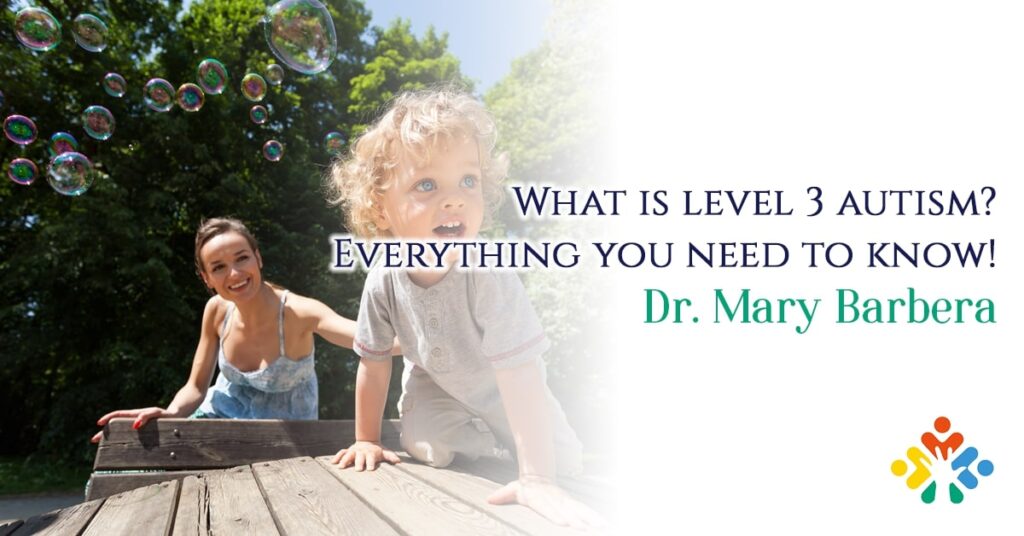
Level 3 autism means a child currently requires very substantial support, particularly with communication, behavior, and daily living skills. Common characteristics of Level 3 autism include limited spoken language, frequent meltdowns, rigidity, sensory challenges, and the need for hands-on support across daily routines. Autism levels describe current functioning—not intelligence or future outcomes—and parent training plays […]
5 Autism Rants You Need to Hear in 2026 | Unpopular Autism Opinions That Improve Progress
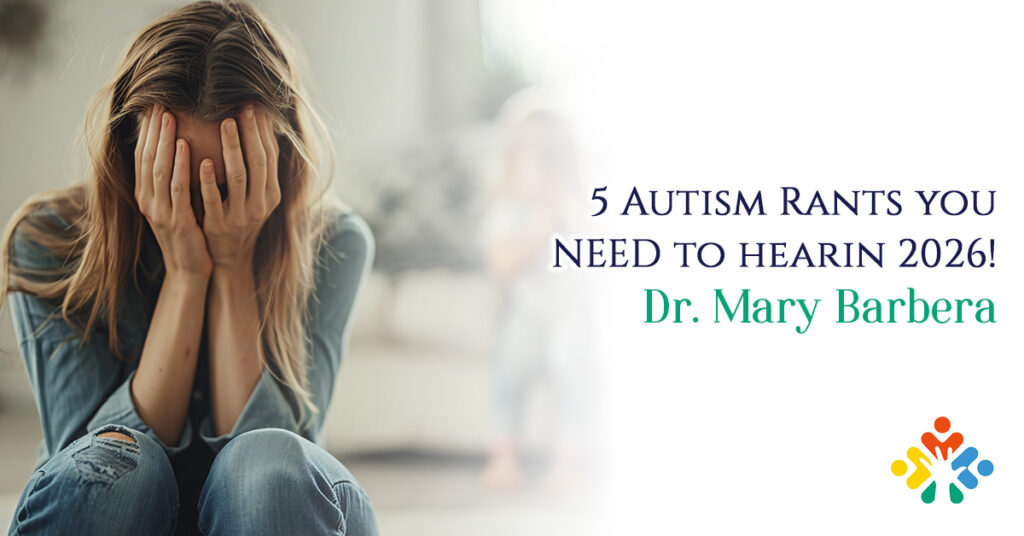
These are real autism rants and unpopular autism opinions — but understanding them will help you stop wasting precious time and start seeing real progress. Early action beats waiting — progress happens faster when parents act at the first signs of delays instead of waiting months or years for evaluations. Traditional Early Intervention isn’t enough for […]
ADHD vs. Autism in Toddlers: Early Signs, Key Differences & What to Do Next
Many early behaviors in an ADHD toddler—like hyperactivity, short attention spans, and emotional outbursts—can overlap with early signs of autism. Understanding the difference between ADHD or autism helps parents take the right next steps early on. Not all toddler behaviors are the same; while toddler ADHD signs often include impulsivity and movement, autism tends to […]